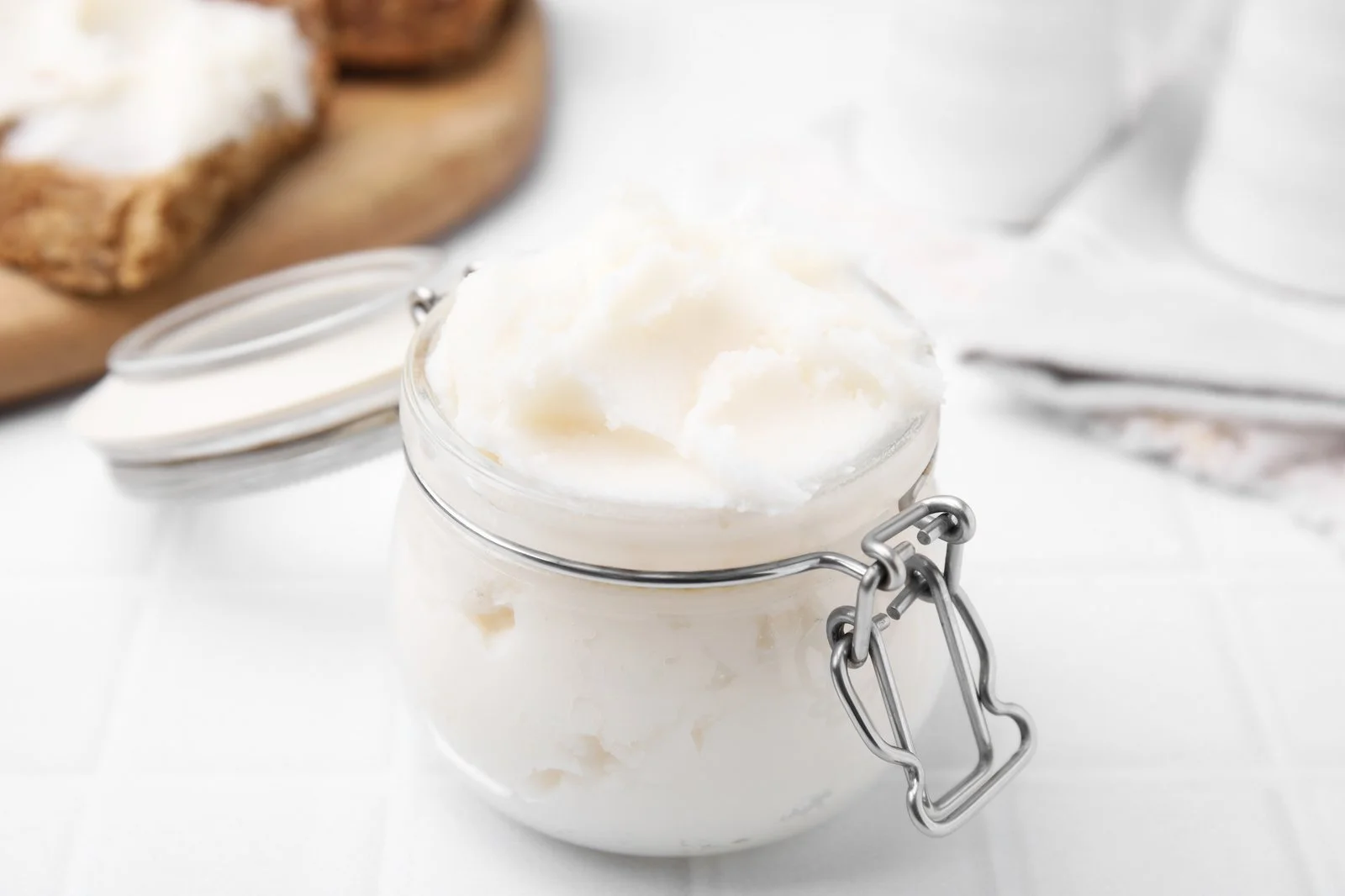
Leaf lard is the soft, clean fat from around a pig's kidneys, and it is the best lard for pie crust and biscuits because it tastes of almost nothing and bakes up flaky. At Frazie's it is $6.99 a pound at our current listed price, next to Wagyu beef tallow at $12.99, duck fat at $14.99 and raw beef kidney fat, also called suet, at $2.50. The short version: leaf lard for baking, tallow for high heat frying, duck fat for roasting potatoes, and kidney fat when you want to render your own tallow for very little money.
Frazie's Meat & Market is a family owned butcher shop opened in Riverside in 2023 by Chef Mark Frazie, and our butchers can tell you which of these fats suits the dish you have in mind. One practical note: ask at the counter whether the leaf lard in the case that day is raw leaf fat or already rendered. Raw leaf fat needs rendering before it goes into a crust, and the method below covers it. Prices can change, so check before you come in.
What Is the Difference Between Leaf Lard, Lard, Tallow, Suet and Duck Fat?
Lard is pork fat, tallow is beef fat, suet is the raw beef fat tallow is rendered from, and duck fat is exactly what it sounds like. Leaf lard is the best grade of lard, taken from one specific spot on the pig.
| Fat | Comes from | Flavor | Smoke point | Best for | Our listed price |
|---|---|---|---|---|---|
| Leaf lard | Fat around a pig's kidneys and loin | Almost neutral | About 370°F, as lard | Pie crust, biscuits, pastry | $6.99/lb |
| Regular lard | Back fat and other pork fat | Mildly porky | About 370°F | Frying, tamales, beans | Not listed |
| Beef tallow | Rendered beef fat | Mild and beefy | About 400°F to 420°F | Fries, searing, deep frying | $12.99/lb (Wagyu) |
| Suet (beef kidney fat) | Raw fat around a steer's kidneys | Rich beef | Render it first | Making your own tallow | $2.50/lb |
| Duck fat | Rendered duck fat | Savory, rich | Treat it like lard | Roast potatoes, confit | $14.99/lb |
The lard figure comes from Colorado State University's Kendall Reagan Nutrition Center, which lists lard at 370°F and butter at 350°F. The tallow range comes from Montana State University Extension, which puts it at 400°F to 420°F. Treat every smoke point as a guide, not a law: a fat that has been reused, or rendered with bits left in it, smokes sooner.
Why Leaf Lard Makes the Flakiest Pie Crust
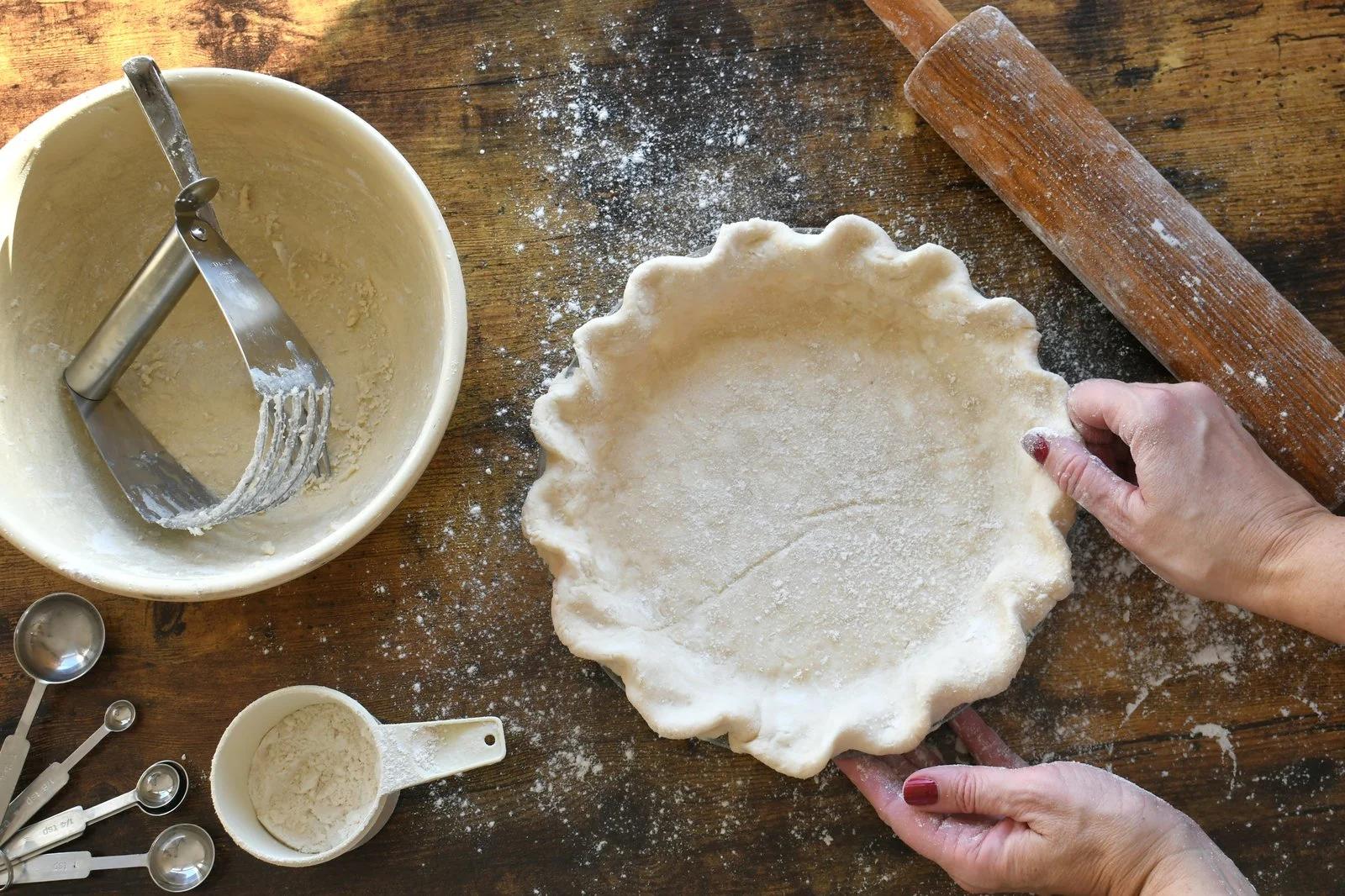
Leaf lard stays firm and workable when cold, so it smears into thin sheets between layers of flour instead of blending in, and those sheets become flaky layers in the oven. Because it has almost no pork flavor, it works under apples and pecans as well as under a chicken pot pie.
A dependable all-purpose crust for one 9 inch pie:
- Chill everything. Cube 4 tablespoons of leaf lard and 4 tablespoons of butter and put them in the freezer for 15 minutes.
- Mix the dry. Whisk 1¼ cups flour with ½ teaspoon salt.
- Cut in the fat. Work the fat into the flour with a pastry cutter or your fingertips until the biggest pieces are the size of peas. Stop there.
- Add water slowly. Sprinkle in 3 to 5 tablespoons of ice water, a spoonful at a time, until the dough just holds when squeezed.
- Rest it. Press into a disk, wrap, and refrigerate at least an hour before rolling.
Half lard and half butter is the classic compromise: lard for flake, butter for flavor. All lard gives the flakiest, most tender crust.
Holiday baking? Call (404) 941-9171 a few days ahead and we will set aside several pounds of leaf lard for you.
How to Render Beef Kidney Fat or Raw Leaf Lard
Rendering means melting raw fat slowly so the pure fat separates from the water and connective tissue. It takes a few hours, almost all of it hands off, and the method is the same for beef kidney fat and raw leaf fat.
- Chill and chop. Cold fat cuts cleanly. Chop it into half inch pieces, or pulse it in a food processor. Smaller pieces render faster and more completely.
- Start with water. Put the fat in a heavy pot with about ¼ cup of water. The water keeps the fat from scorching before it starts to melt and cooks off as it goes.
- Go low. Keep the heat low on the stove, or put the pot in a 250°F oven. Stir every 20 to 30 minutes. Expect 2 to 4 hours, depending on how much you have.
- Watch the cracklings. The fat is done when the solid bits have shrunk, turned golden, and sunk or floated without giving up any more liquid. Pull it before they brown deeply, especially with leaf lard you want to keep neutral for baking.
- Strain. Pour through a fine mesh sieve lined with cheesecloth into clean, dry jars.
- Cool. Tallow sets hard and creamy white. Leaf lard sets softer and snow white.
Montana State Extension gives the same basic advice: low heat, and strain out the impurities for the cleanest product. You will lose some weight to water and cracklings, but at $2.50 a pound for kidney fat, homemade tallow still costs a fraction of buying it rendered.
Watch out: Hot fat and water do not mix once the fat is fully melted. Keep any extra water away from the pot, and use completely dry jars when you strain.
Best Uses for Each Fat
Each of these fats has one job it does better than anything else in your kitchen. Match the fat to the job.
- Pie crust and biscuits: leaf lard, cold, alone or half and half with butter.
- French fries: beef tallow. Fry once at 325°F until soft, rest, then again at 375°F until golden. Both temperatures stay under tallow's smoke point.
- Searing steak: a spoonful of Wagyu tallow in a hot cast iron pan adds beefy depth, especially to leaner cuts. Our guide to five ways to wagyu covers the steaks that go with it.
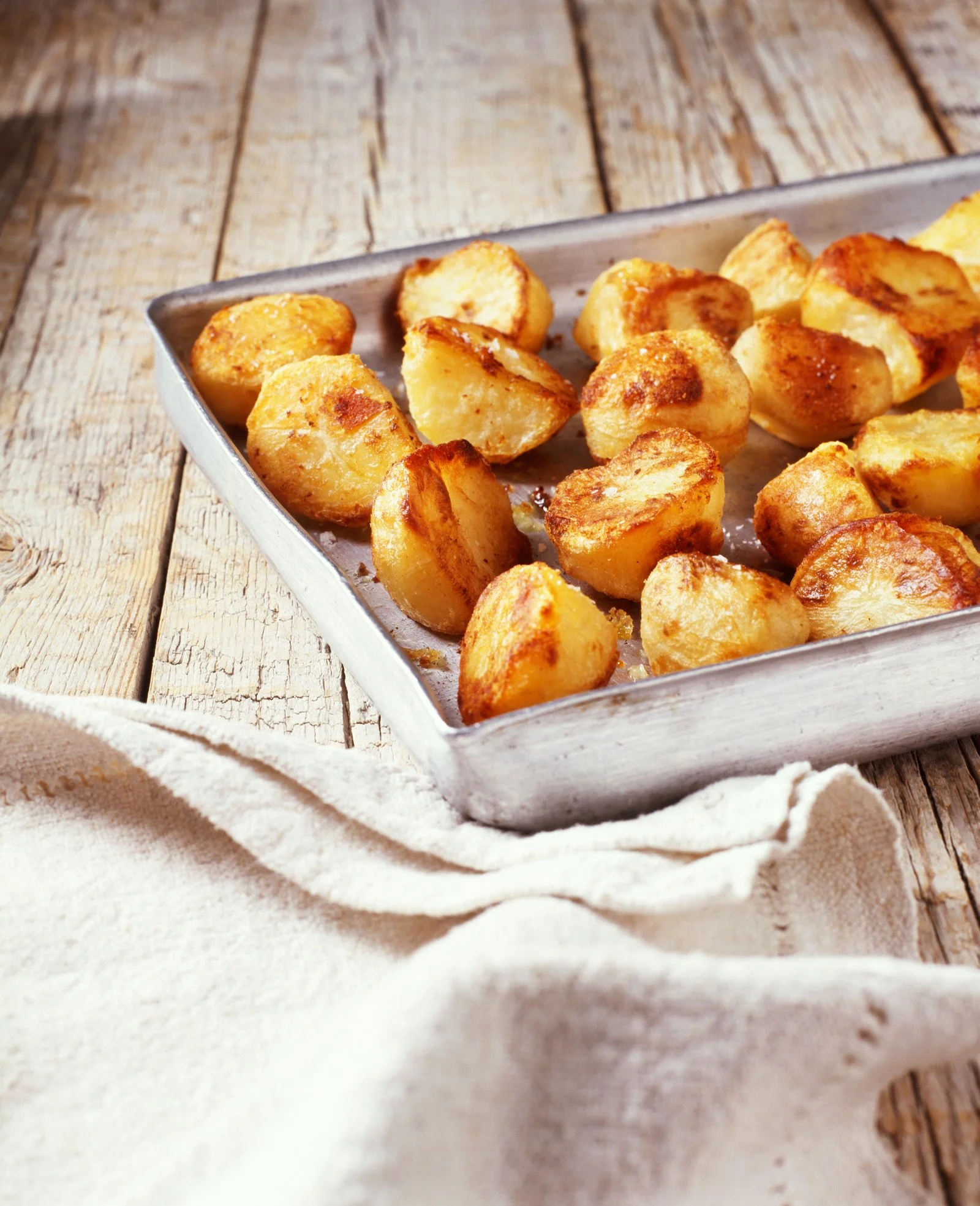
- Roast potatoes: duck fat. Parboil chunks for 8 minutes, rough them up in the colander, toss in a few tablespoons of fat and roast at 425°F for 40 to 50 minutes, turning once.
- Duck confit: duck fat, about 2 lb for four legs. Our duck breast and duck confit guide walks through it.
- Pork dishes: if you cook our pork belly, save the fat it renders. It is regular lard, and it is good for frying eggs and greens.
How to Store Rendered Fat
Keep rendered fat in a clean, sealed jar in the fridge, away from light and strong smells. Stored that way, lard, tallow and duck fat keep for months; freeze it in smaller jars if you will not get through it that quickly.
- Strain after frying. Fat used for frying picks up crumbs that burn next time. Strain it through cheesecloth before it goes back in the jar.
- Trust your nose. Fresh fat smells clean or faintly of the animal. Sour, sharp or paint-like smells mean it has gone rancid, so throw it out.
For storing the raw fat and the rest of your meat, see our guide to storing meat properly.
Cooking Fat Quick Reference
- Leaf lard, $6.99/lb listed: neutral, flaky, for pastry. Ask if it is raw or rendered.
- Wagyu beef tallow, $12.99/lb listed: highest smoke point here, about 400°F to 420°F. For frying and searing.
- Duck fat, $14.99/lb listed: savory. For potatoes and confit.
- Beef kidney fat, $2.50/lb listed: raw suet. Render it low and slow for cheap tallow.
Common Questions
What Is Leaf Lard Used For?
Leaf lard is used mainly for baking: pie crust, biscuits, hand pies and pastry. It is the cleanest tasting pork fat, so it adds flakiness without pork flavor. It also works for frying, though regular lard or tallow does that job for less money.
Is Leaf Lard the Same as Regular Lard?
No. All leaf lard is lard, but not all lard is leaf lard. Leaf lard comes only from the soft fat around the kidneys and loin, while regular lard is rendered from back fat and other pork fat and tastes more of pork.
Is Beef Kidney Fat the Same as Suet?
Yes. Suet is the hard, raw fat from around a steer's kidneys and loin, and that is what we sell as beef kidney fat at $2.50 a pound. Render it and it becomes tallow.
Which Cooking Fat Has the Highest Smoke Point?
Of the fats we sell, beef tallow has the highest smoke point, about 400°F to 420°F according to Montana State University Extension. Lard sits around 370°F and butter around 350°F, per Colorado State University. That is why tallow is the classic choice for deep frying.
All four fats are at our counter at 2030 Main Street NW, Suite R204, in Riverside, and you can order online for pickup. If you need several pounds of leaf lard or kidney fat for holiday baking or a big rendering day, call us at (404) 941-9171 a few days ahead and we will set it aside.
Stock your fat jar: Order online for pickup | Call (404) 941-9171 | Read: duck breast and duck confit